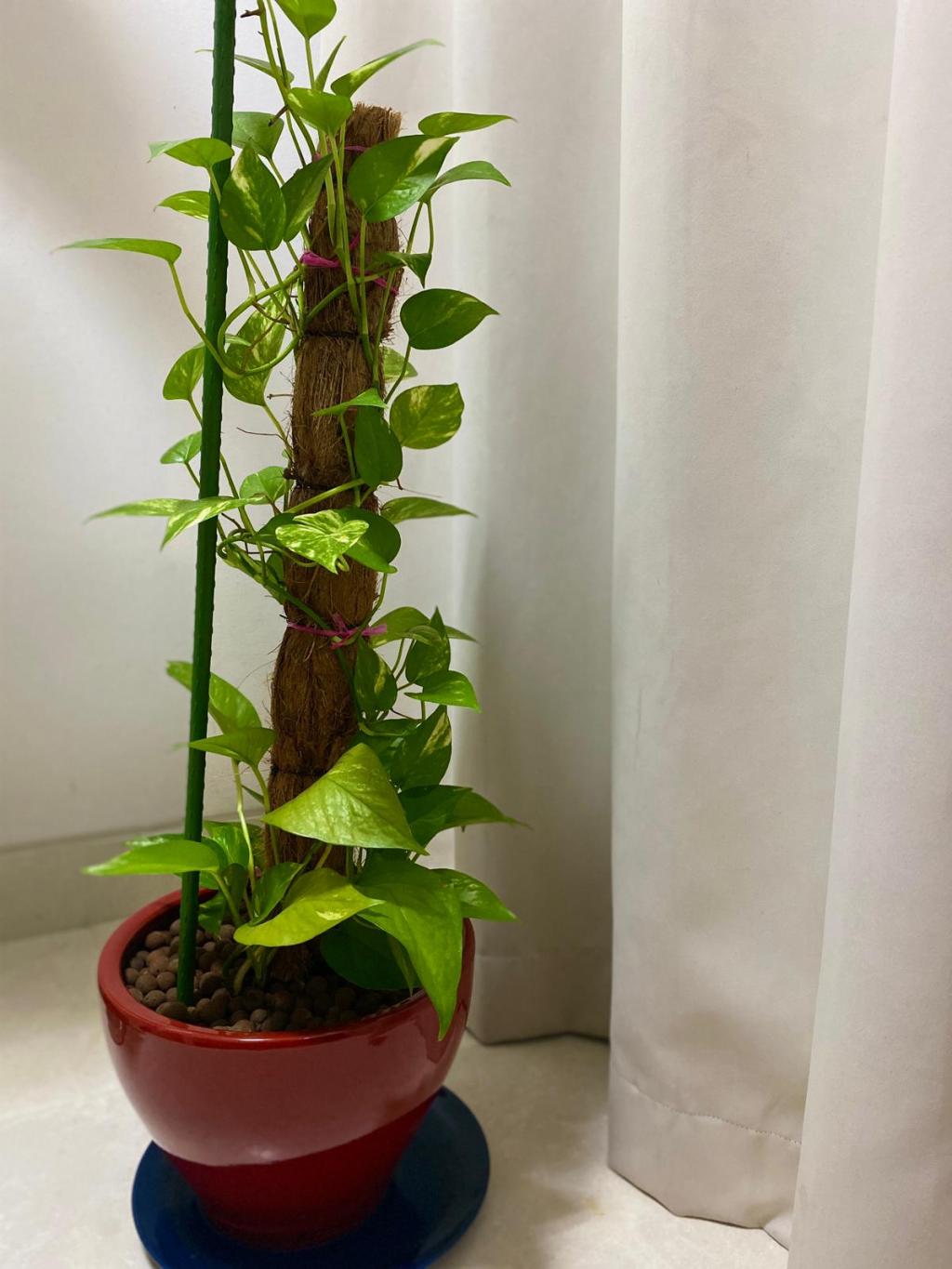
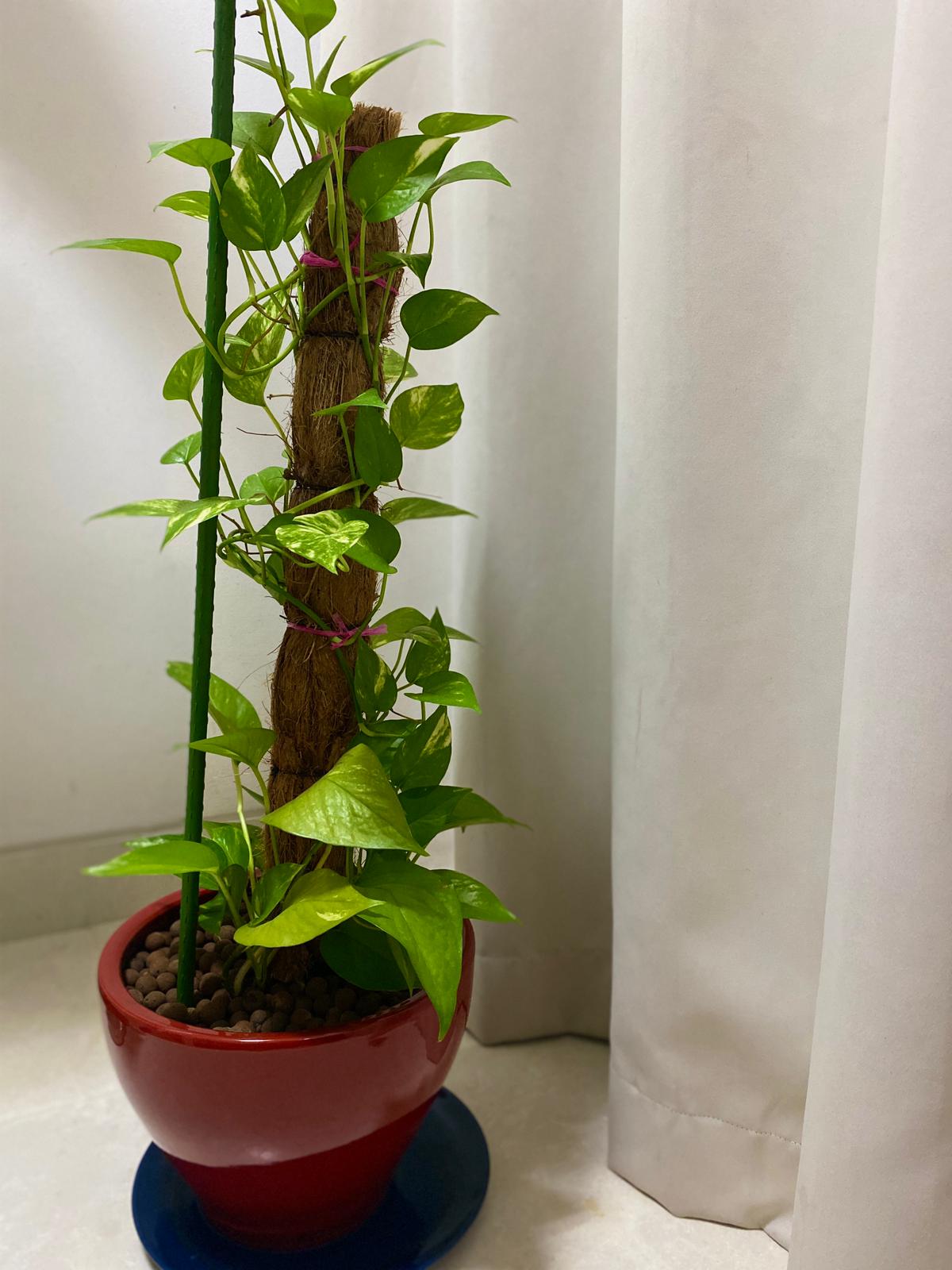
In the age of social media, stories and anecdotes about pets flood our feeds, triggering a curious reflection on whether humans, as a species, seek alternatives to traditional parenting. Are we, perhaps, attempting to fill the void of potential disappointment or the fear of being inadequate parents by embracing other species as our “offspring”?
Parenting, by definition, is the act of nurturing life to equip it to find its place in the universe. However, the intriguing question arises: do we take plant parenting as seriously as we do pet parenting?
Undoubtedly, parenting is a challenging task. Financial burdens escalate over time, emotions must be kept in check, and the perpetual uncertainty of whether we’re getting it right looms overhead. As children leave for college or jobs, the lucky few may have them nearby during their golden years, but there’s also the painful possibility of blame and questioning of parenting choices.
Enter pet parenting, a seemingly simpler process. Financial costs are contained, and the unconditional love of pets becomes a comforting constant. Conflict may arise, but the victories are easier to secure. Treating your pet is a joy, and the bond is uncomplicated. The pet loves you without judgment, offering a respite from the complexities of human relationships. Perhaps, in the absence of myriad options, pets choose to love us wholeheartedly. But, could it be that they sense something in us, something beyond the superficial, that fosters a connection based on genuine affection and understanding?
Plant parenting, on the other hand, belongs to a different realm. The lack of physical touch and the fear that our touch may harm the plants create a unique dynamic. Watering and providing nourishment are the primary gestures, but the emotional connection remains elusive. There’s no buying treats or toys, no trips or family functions with your stationary green companion. The occasional worship aside, plant parents grapple with anxiety during vacations, wondering if their leafy charges can endure their absence.
Yet, plant parents have a peculiar advantage. Despite the challenges, they witness the tangible growth and blooming of their leafy charges, an ongoing evolution that surpasses the static nature of both humans and pets.
In the world of plant parenting, a proposed social media campaign could bring together plant parents, encouraging them to share pictures and express their anxieties. While it might not replace the physical presence or active engagement of a pet, it acknowledges the unique challenges of plant parenting.
In a world where parenting takes diverse forms, whether through furry friends or leafy companions, each experience teaches us about love, responsibility, and the profound connections we forge with the living beings that share our lives.
Reflecting on my journey as a plant parent, I acknowledge my past failures but find solace and pride in the longevity of my current green companion. This plant has become a source of varied emotions, creating a unique and cherished corner in my tiny apartment.


 thephotontravels
Leave a comment